
Reviewed · JULIAN ALPS
Via Ferrata for Beginners a Step by Step Course in Mojstrana
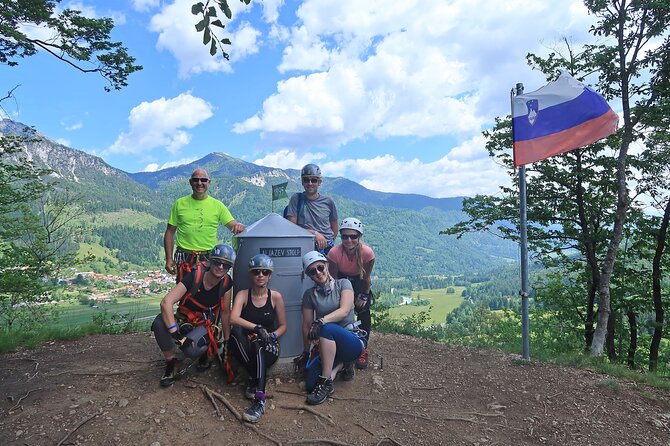
What makes this via ferrata course in Mojstrana interesting is that it teaches you the system, not just the thrill. You practice the safety moves first, then climb two classic lines step by step, Aljaževa pot (B) and Pot Mojstranških Veveric (C/D), with instructors controlling the pace. It is designed for first-timers who want confidence, not guesswork.
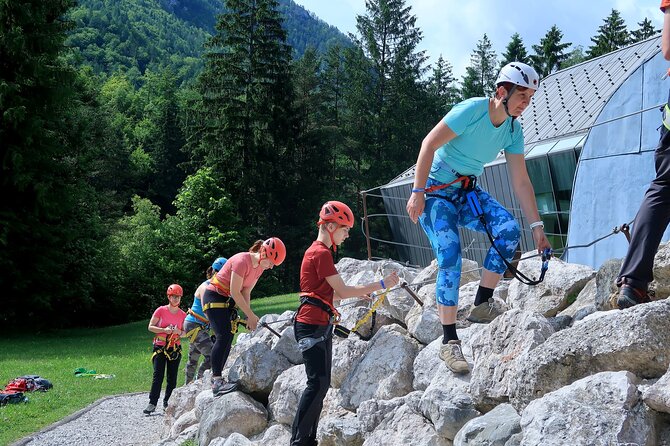
What I like most is the small group size (up to 6 people), which means more personal attention and fewer awkward “wait around” moments. The second thing I really appreciate is the equipment-focused coaching, from harness and helmet setup to correct knot tying and how to use the via ferrata system properly.
One possible drawback to plan for: your day depends on good weather, and there is no brunch included. If you show up hungry or the conditions are rough, the experience can feel more tiring than it needs to.
Key Points That Matter Before You Go
- Max 6 people means a calmer day and more hands-on help as you learn.
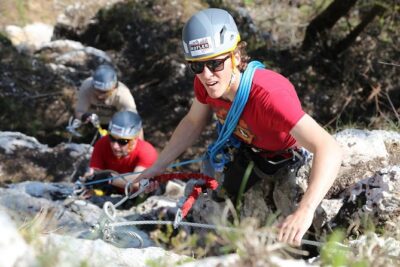
- All gear included (harness, helmet, via ferrata system, cord, and via ferrata gloves) takes a big unknown off your checklist.
- Two route levels let you build confidence on B before moving toward C/D.
- Certified guide in English keeps instruction clear, especially for first-timers.
- Safety practice is the point, not speed, so you learn how to stay clipped in and move correctly.
- Transfer may be included if you need to move to the next village for the climb.
Mojstrana Via Ferrata, The Beginner Way
If you have seen via ferratas and felt both excited and slightly intimidated, this is the right kind of “first step.” Mojstrana is a place where the rock-and-cable experience is real, but your course is structured so you learn how to manage it.
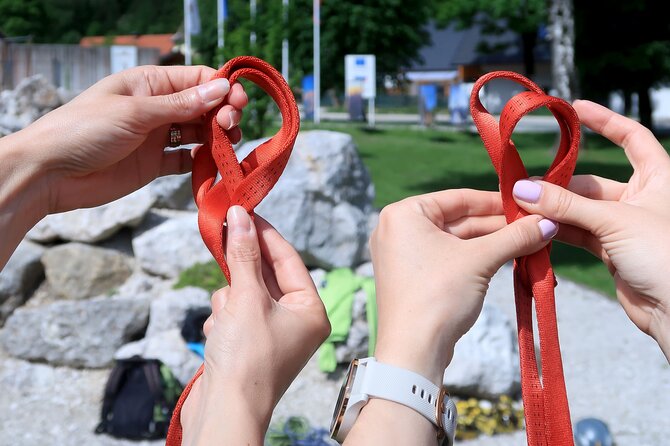
The day is built around teaching you the practical stuff you need to stay safe: how to wear the harness correctly, what the helmet does, how the via ferrata system works, and how to handle the connection points without rushing. You also learn knot tying and how to use an umbilical cord correctly, which is the heart of staying connected while you move.
Another nice touch is that you are not treated like a spectator. You climb, practice, and get feedback. The goal is that by the end of the day you feel capable enough to handle via ferrata safely on your own, or at least know exactly what you still need to practice.
Group size helps here. With up to 6 travelers, you are not fighting for attention. The instructors can check your setup and positioning, and you can learn how to adjust when you feel shaky, tired, or uncertain.
More Julian Alps Trips in Bled
- 7 Alpine Wonders- Day Tour Bled, Soca valley, Slovenia
★ 5.0 · 136 reviews - 7 Alpine Wonders
★ 4.9 · 59 reviews - Quick Vertical Attraction – Via Ferrata Mojstrana
★ 5.0 · 27 reviews
Your Gear, Included, With Clear Safety Logic
A lot of “beginner” outdoor experiences fail on one key thing: people are left to figure out equipment. Here, your technical kit is included, and it is central to the instruction.
You get:
- via ferrata system
- climbing harness
- helmet
- cord (with screw carabiner and an infinite loop)
- via ferrata gloves
That list matters because via ferrata gear is not casual. Your harness and helmet are non-negotiable, and your via ferrata system is what keeps you attached while you move through cables and rungs. Gloves are also a practical add. They help protect your hands on metal cable work and make gripping less punishing.
What I like about this setup is that you can focus on learning the movement patterns, not shopping and guessing. Plus, when a certified guide fits and explains your gear, you learn the “why,” not just the “what.”
If you already own your own kit, you should still plan to use the included equipment during the course. The goal is consistency so your instructor can confirm everything is set correctly for your climb.
The Route Plan: Aljaževa pot First, Then C/D Confidence Building
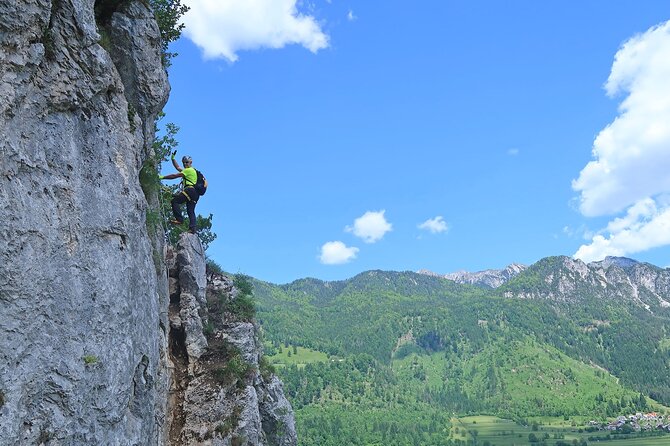
This course introduces you to two main via ferratas in Mojstrana.
1) Aljaževa pot (B difficulty)
This is your confidence builder. B difficulty is where you learn the rhythm of clipping in, moving from one secure point to the next, and staying calm when the cable line gets steeper. You also get time to practice the basics so your body learns the routine.
2) Pot Mojstranških Veveric (C/D difficulty)
After you have the basics down, you move to Pot Mojstranških Veveric, rated C/D. This is where technique matters more. You will need better hand control, steady foot placement, and a clearer mindset. The instruction you practiced on the B route helps you avoid common first-timer mistakes, like rushing the connection steps or losing form when you feel tired.
Why this two-step plan is valuable: you are not thrown immediately into the harder stuff. You learn the mechanics in the easier line, then apply them where the difficulty rises.
You should expect real exposure, since via ferrata is designed to be hands-on. At the same time, you are not alone on the wall. The structure of a guided course means you can get help before something turns into a panic spiral.
A Typical Six-Hour Day, How It Flows
The duration is about 6 hours, and that time is used in a way that makes sense for beginners. While the exact minute-by-minute plan can vary, the flow is usually consistent with this kind of instruction:
You start at the meeting point in Mojstrana, Savska cesta 1, 4281 Mojstrana. From there, the day typically begins with a safety briefing and equipment checks. You learn how your harness and helmet should sit, how your via ferrata system connects, and how the cord is meant to be used as you move.
Then you practice the fundamentals: knot tying and the correct handling of your system while you are still in a controlled situation. This is where you build the “muscle memory” that keeps you safe later on.
After the basics, you climb Aljaževa pot first. This is where you put the steps together. You learn how to distribute effort through your arms and legs and how to keep your focus on the next connection point rather than on how high you are.
Finally, you shift to Pot Mojstranških Veveric (C/D). This is where the course lives up to the via ferrata label, with more demanding sections that test your comfort level and technique. The instructor support continues throughout, because the hardest part for beginners is often mental, not physical.
You end back at the meeting point, with the sense that you finished something real and learned skills you can reuse.
Other via ferrata and climbing days:
- Climbing Mount Triglav in Slovenia
★ 5.0 · 29 reviews - Via ferrata Triglav fairytale route
★ 5.0 · 25 reviews - Rock Climbing near Lake Bled
★ 5.0 · 24 reviews - Ice Climbing
★ 5.0 · 6 reviews
Safety and the Human Side of Learning
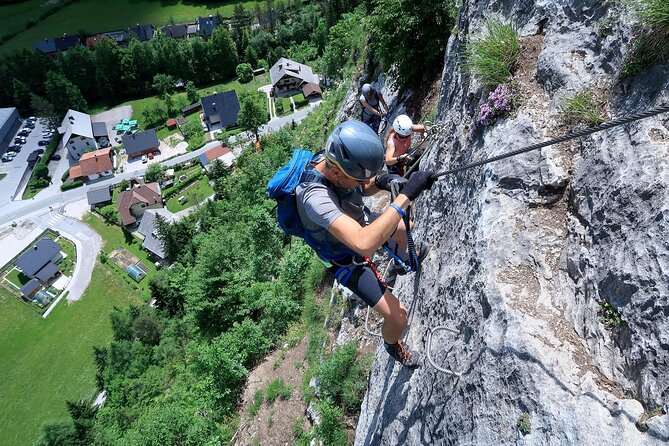
The strongest praise for this kind of course usually centers on two things: professionalism and how calmly people teach under pressure. In real life, via ferratas are physical. Even fit beginners can get arm burn. Even confident people can suddenly feel fear when they look down or when a move is awkward.
That is why the “how” of instruction matters. A good guide does more than point at cables. They manage spacing, check that you are clipped in correctly, and coach you through movement without creating panic.
You may also notice instructors adapting to your group. In one family-style scenario, a guide recommended switching to a route that matched kids’ height and comfort level, which is exactly the kind of practical judgment that keeps everyone progressing.
So if you are nervous, do not treat it as a weakness. Treat it as part of the learning. Ask questions early, and let your guide set expectations for what you will do next. When you get clear instruction in plain language, via ferrata stops being a guessing game.
Difficulty, Fitness, and Who This Course Fits Best
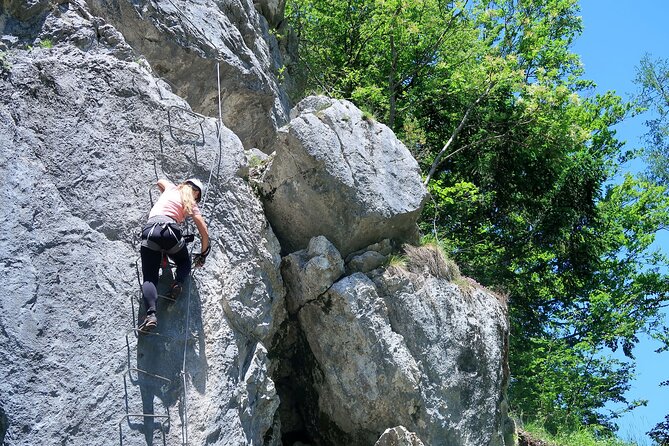
This activity is listed as needing moderate physical fitness. That tells you something important: you do not need to be an athlete, but you do need enough stamina to keep moving steadily for hours with your arms supporting your balance.
You should feel comfortable with:
- walking on uneven ground before and after the climb
- gripping cable hardware for stretches
- moving at a steady pace without freezing when it gets vertical
If you are recovering from injury, dealing with serious grip issues, or expecting a completely leisurely walk, this may not match your goal. It is a climb course, and your body will work.
On the other hand, this is also a smart choice if you want to learn the fundamentals before upgrading to higher difficulty via ferratas later. The course is set up so you leave with usable skills, not just a photo session.
Price Value: What You Pay For, and What You Avoid Paying For
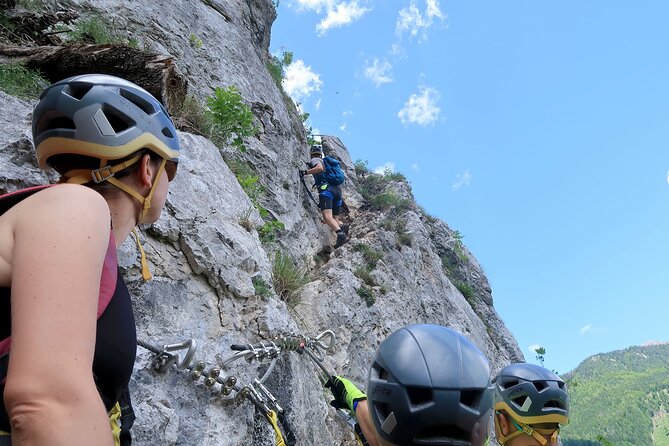
At $307.70 per person for about 6 hours, this price may look steep if you compare it to a casual hike. But the cost makes more sense when you break down what is included.
You are paying for:
- a certified guide
- technical climbing equipment (harness, helmet, via ferrata system, cord, gloves)
- instruction that focuses on safety skills
- group structure (max 6) so you are not paying for a crowd
- a transfer option if the climb requires moving to the next village
What you are not paying for is mostly simple personal needs. Brunch is not included, so plan food accordingly. Since via ferrata is energy-hungry, I suggest you handle snacks and water like it is part of your strategy, not an afterthought.
If you were to rent gear yourself and still hire a guide separately, the value can swing quickly. Here, it is packaged. That is the main benefit.
Getting There From Bled, Timing, and Practical Comfort
The meeting point is in Mojstrana, near public transportation, which helps if you do not want to drive and park all day. There is also a transfer included in case you need to go to a next village, so the plan can flex based on where the routes start.
The course operates within a wide window and is offered daily, with opening hours from 8:00 AM to 7:00 PM. Confirmation timing depends on how close you book to travel date, so if you are booking late, keep an eye out for that confirmation message.
Because this is weather dependent, I treat your day like a “weather-ready mission.” Bring the layers you would use for a cool mountain morning, and plan for sun and wind. Via ferrata often feels warmer once you start climbing, but the metal hardware and exposed sections can chill you if the air is damp.
Should You Book This Beginner Via Ferrata Course?
Book it if:
- you want structured instruction for using the via ferrata system, not just following a cable line
- you appreciate small groups and calm, safety-focused teaching
- you are comfortable with moderate fitness and you want your skills to grow from B to C/D in one day
Consider skipping or changing plans if:
- you have low tolerance for heights or you know you get overwhelmed fast
- you are not prepared for a physical day that includes gripping and controlled movement
- you arrive expecting brunch or long breaks built into the schedule
My bottom-line take: if you want to learn via ferrata the responsible way, this course is a smart start. The best part is that you do not just buy access to cables. You learn the steps that make the cables safe.
FAQ
Where does the course meet?
The meeting point is Savska cesta 1, 4281 Mojstrana, Slovenia.
How long is the beginner via ferrata course?
It runs for about 6 hours.
What language is the tour offered in?
The course is offered in English.
What is included in the price?
The price includes technical equipment (via ferrata system, climbing harness, helmet, cord with screw carabiner and infinite loop, via ferrata gloves), a gift, transfer in case the next village is needed, and a certified guide.
Do I need to bring my own climbing equipment?
No. Technical equipment is included: harness, helmet, via ferrata system, cord, and via ferrata gloves.
Which via ferrata routes are covered?
You will be introduced to Aljaževa pot (B difficulty) and Pot Mojstranških Veveric (C/D difficulty).
Is brunch included?
No, brunch is not included.
What fitness level do I need?
You should have a moderate physical fitness level.
What happens if the weather is bad?
This activity requires good weather. If it is canceled due to poor weather, you will be offered a different date or a full refund.
What is the cancellation window for a full refund?
You can cancel up to 24 hours in advance for a full refund. If you cancel less than 24 hours before the start time, the amount paid is not refunded.
More of the Julian Alps from Bled
- 7 Alpine Wonders: Winter Edition
★ 5.0 · 27 reviews - From Porec: Alpine Jewel Lake Bled
★ 5.0 · 8 reviews - Panoramic hike in Julian Alps
★ 5.0 · 6 reviews - 3-Hour Guided Snowshoeing Adventure in the Slovenian Alps
★ 5.0 · 5 reviews
Recently added around Bled
- Beginner Ski Touring Course★ 5.0 · 4 reviews
- Private Postojna Cave & Predjama Castle Tour from Bled★ 5.0 · 4 reviews
- The best of Bled Private walking tour★ 5.0 · 5 reviews
- Bled: Zipline Over the Sava River★ 3.3 · 6 reviews
- From Bled: Discovery Trail (Private)★ 5.0 · 13 reviews
- Triglav National Park: Emerald River Adventure by 3glav★ 5.0 · 3 reviews
- Private Day Trip: Zagreb to Ljubljana & Lake Bled★ 4.7 · 3 reviews
- Postojna Cave and Predjama Castle Trip including entry tickets★ 3.5 · 3 reviews
Julian Alps, compared.
7 Alpine Wonders- Day Tour Bled, Soca valley, Slovenia
Read our review →
Quick Vertical Attraction – Via Ferrata Mojstrana
Read our review →
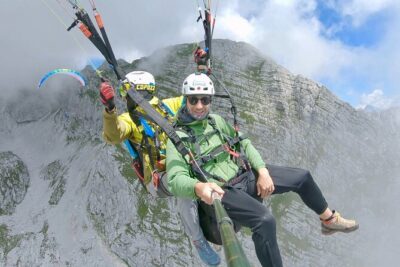
Private Paragliding Flight Experience over the Julian Alps
Read our review →
Browse the lists this tour appears in