
Ski touring is interesting because you learn to move under your own power, not just follow a marked piste. This beginner course around Bled mixes practical technique with serious avalanche safety skills, taught in a way that feels approachable. I also like that the group is capped at 7 people, so you get real time with your guide. One thing to consider first, the course includes technical safety gear but not the full ski touring set, so you’ll still need to sort out skis, bindings, boots, skins, and poles.
What really makes it work is the coaching style. In past sessions with Kofler Sport, instructors like Igor have been praised for clear, systematic teaching, and Grega has a reputation for giving just enough support when confidence wobbles. The other practical point: this is a winter mountain activity and it depends on good weather, so you should be ready for adjustments.
Key Highlights You Should Know Before Booking
- Beginner-focused, but not dumbed down: you learn both movement technique and winter safety procedures.
- Avalanche education is hands-on: snowpack checks, beacon searching, probing, and rescue steps.
- Small group limit (max 7) helps you practice more and get better feedback.
- Included technical gear covers the safety basics, so you can focus on skills.
- Terrain spans Slovenia and Austria with sessions around Mojstrana, Astental, and Maltaberg.
- Pickup from Mojstrana area and an air-conditioned vehicle make the start easier.
A Two-Day Intro to Ski Touring in the Julian Alps and High Tauern
If you want to try ski touring without jumping straight into the deep end, this course is built for that moment. It’s designed for people who are new to safe movement on skis in winter backcountry terrain. Instead of treating it like a one-off demo day, the structure is meant to build confidence over two days, with instruction that follows what you’ll actually need in the mountains.
The big attraction is the setting. You train in the Julian Alps and nearby ranges around Mojstrana, then you also get time in Austria, with peaks and routes near Astental in the High Tauern and above Maltaberg in the Maltatal valley area. That matters because it exposes you to the kinds of terrain and snow reality that happen across different mountain areas, not just one single hillside.
You’ll also notice the course does not sell ski touring as a magic trick. It treats it as a skill set: how to ascend and descend with control, and how to manage risk when conditions are uncertain. That mindset is where beginners level up fastest.
A few more Bled trips to compare before you book
- Ljubljana: Savica Waterfall, Lake Bohinj, and Lake Bled Tour
★ 4.9 · 1,015 reviews - Canyoning Bled Slovenia
★ 5.0 · 408 reviews - Bled Rafting
★ 5.0 · 334 reviews
What You Learn: Avalanche Safety, Snow Checks, and Rescue Steps
The curriculum is the heart of this experience. The course covers the basics of safe movement on skis, but it also spends serious time on winter danger and avalanche response. For first-timers, this is the part that turns curiosity into real competence.
Here’s what you can expect to work on:
Ascent and descent technique
You’ll learn technique and tactics for both going up and going down. That includes practical movement habits that help you conserve energy on climbs and stay stable while descending. As a beginner, you’ll love the fact that the training is meant to be directly usable, not just theory.
Avalanche safety equipment and procedures
You’ll cover avalanche safety equipment, plus the procedures you should follow if something goes wrong. The emphasis is not just on knowing the gear exists, but on using it properly in the right sequence.
Snowpack reality checks
You’ll learn how to read a snow cover, including types of snow layers and how to think about the stability of the snow base. You’ll also do stability testing of the snow cover. That’s crucial because “it looks fine” is not a safety plan. The course pushes you toward checking instead of guessing.
Beacon searching, probing, and mountain rescue actions
This is one of the most valuable parts for new tourers. You’ll practice procedures like avalanche search with avalanche beacons, probing, and understanding the mountain rescue service role. Even if you hope you’ll never need it, you’ll feel better knowing you practiced it under guidance rather than imagining how it works.
Situational rescue exercises
Beyond basic drills, you’ll do situational rescue exercises. The point is to help you stay calm and follow a process, not freeze in a high-stress moment. For beginners, that shift matters more than perfect technique.
If you’re wondering why this course feels “serious” despite being a beginner course, it’s because the instruction links technique to decision-making. You learn how to move, but you also learn how to evaluate the slope and respond if conditions change.
Equipment and Fit: What’s Included Versus What You Must Arrange
This is where many first-time skiers get surprised, so let’s clean it up early.
Technical and safety gear included
The course includes rental of technical equipment like:
- harness
- helmet
- ice axe
- crampons
- avalanche safety set
That’s a helpful inclusion because it means you don’t need to buy or rent a complicated set of winter gear just to learn the fundamentals. It also encourages you to practice with the right tools from day one, which is exactly what you want when you are still learning how the system works.
Same base, an entirely different sort of day:
- Triglav National Park : The Original Emerald River Adventure
★ 5.0 · 270 reviews - 2-Hour Interactive Wine Tasting Experience in Bled
★ 5.0 · 243 reviews - Bled: Europe’s Longest Zipline Adventure over Dolinka River
★ 5.0 · 219 reviews - Bled: 3-Hour Family-Friendly Rafting Adventure
★ 4.9 · 199 reviews
The ski touring set is not included
You’ll still need your ski touring set rental, which is not part of the package. That means ski touring skis, bindings, boots, skins, and poles are on you to arrange. If you’re booking as a true beginner, I suggest you plan this early so you’re not scrambling close to your start date.
A small practical tip: when you rent, ask for a boot setup that works with touring bindings and your climbing technique needs. A poor fit can mess with balance and control, and beginners already have enough to manage.
Fitness expectation
You should have moderate physical fitness level. This course is for beginners, but “beginner” does not mean “flat and easy.” You’ll be spending time ascending and descending on snow, so breath control and leg strength matter.
Mojstrana, Astental, and Maltaberg: How the Course Uses Different Mountain Settings
The course includes training across three location areas, which is a smart way to avoid learning in a bubble.
Mojstrana, Slovenia, with Julian Alps and Karawanks nearby
You start with sessions around Mojstrana, with peaks and passes in the vicinity of the Julian Alps and Karawanks. This is a strong choice for a first course because you get variety without feeling completely lost in a brand-new country every step of the way. It also makes it easier for you to connect the technique lessons to real terrain features like how slopes trend and how snow can change with exposure.
Expect the Mojstrana portion to focus heavily on the fundamentals: learning safe movement on skis, practicing ascent and descent mechanics, and getting introduced to the snow stability thinking behind the safety drills.
Astental, Austria, above the High Tauern valley
Then the course includes training near Astental, in the High Tauern region, with sessions above the Astental valley. The key value here is exposure. You get to apply your beginner skills in a different mountain environment.
For learning, that’s a big deal. It helps you stop treating technique like a one-hillside trick and start treating it like a skill you can transfer. You’ll likely see how slope angle, snow texture, and terrain shape influence how you ascend and descend.
Maltaberg, Austria, in the Maltatal valley area
Finally, the course includes time above the Maltaberg hamlet in the valley of Maltatal. This location rounds out the learning by adding yet another terrain context. Even without getting overly specific, the idea is consistent: you practice the same safety framework and movement skills across different mountain areas, so you’re building transferable confidence.
One drawback to keep in mind: because the course is dependent on winter conditions and safety, exact day-by-day terrain choices can vary. That’s normal in mountain guiding, and it’s also why the weather requirement matters.
Pickup, Group Size, and What the Coaching Feels Like
Logistics matter more than people think, especially on winter days. This course offers pickup, and your start point is at Savska cesta 1, 4281 Mojstrana, Slovenia. You meet in front of the agency where your name is on the doors, or you’re picked up by the van, with the driver or guide having your name on a list.
That means you spend less time coordinating, more time getting ready to learn.
Small group size gives you learning momentum
The course has a maximum of 7 travelers. In practice, that usually means:
- fewer people waiting to get feedback
- more turns and practice reps
- faster corrections when technique slips
And based on prior experiences with Kofler Sport instructors, the teaching style tends to be very structured. Igor has been praised for sharing knowledge in a systematic, clear way, with practical examples that help you apply concepts right away. Grega has been praised for offering just the right amount of support when doubts creep in. That combination is what beginners need: structure plus encouragement.
Air-conditioned vehicle
The package includes an air-conditioned vehicle. It might sound small, but after time in winter gear, a comfortable ride helps you stay functional for the rest of the day.
Price and Value: Is $343.21 Reasonable for Two Days?
At $343.21 per person for about two days, the price feels fair if you look at what’s included and what you’re learning.
What you get for the money
- Guiding from a mountain guide and costs
- Technical equipment rental (harness, helmet, ice axe, crampons, avalanche safety set)
- Air-conditioned vehicle
- A course approach that includes avalanche education and rescue procedures
For a beginner course, that combination is usually where value comes from. You are not just paying for someone to carry you up a hill. You are paying for safety instruction, equipment support, and coaching time in a real mountain context.
What you must budget separately
- Half board in cottages, depending on the cottage, roughly 35 € to 75 €
- Additional food and drinks not covered by half board
- Ski touring set rental (skis, bindings, boots, skins, poles)
So the real comparison is not only $343.21. It’s $343.21 plus whatever it costs you to rent a full touring setup and handle meals. If you already have your own touring gear and you plan meals wisely, you’re likely to feel the price makes sense quickly.
My practical take: this is best value for beginners who need instruction plus safety equipment included. If you already own everything and just want a casual day, you might find cheaper outings. But if you want a proper start with safety and technique, this pricing fits.
Who This Course Suits, and Who Should Think Twice
This course fits you if:
- you are new to ski touring and want a beginner approach
- you want to learn safe movement with avalanche awareness, not just how to ski down
- you prefer small group instruction with plenty of guided practice
- you can handle moderate physical effort and time in winter conditions
It may not be the best match if:
- you don’t want to spend time on avalanche procedures and snow stability checks
- you cannot do moderate fitness effort, because ascents and practice drills will require stamina
- you are missing ski touring essentials and don’t want to arrange rentals
Also, the course requires good weather, and if it gets canceled due to poor weather, you’ll be offered a different date or a full refund. That means you should book with some flexibility in mind.
Should You Book? My Practical Decision Guide
Book this course if your goal is a proper foundation. The strongest reason is the balance of skills: you learn how to move on skis and you learn how to think about snow stability and what to do in an avalanche scenario. That combination is what makes you safer as a beginner, and it also makes your future tours more fun because you spend less time panicking and more time skiing.
Skip or pause if you’re hoping for a relaxed lesson with minimal safety content. This course clearly treats avalanche education as a core part of learning, including beacon search, probing, and rescue procedures.
If you decide to book, do these two things to set yourself up for a smooth experience:
- Arrange your ski touring set rental ahead of time since it is not included.
- Come with moderate fitness and a plan to focus during drills, especially the snowpack and rescue training.
For many first-time backcountry skiers, this is the kind of two-day start that makes the next season feel possible. You’ll come away with both technique and a safer mindset, and that combination is hard to beat.
FAQ
How long is the beginner ski touring course?
It runs for 2 days, approximately.
Where does the course take place?
Training is in Mojstrana, Slovenia, plus sessions in Austria near Astental and Maltaberg.
What is the price per person?
The price is $343.21 per person.
Is pickup available?
Yes. Pickup is offered. You either meet in front of the agency at Savska cesta 1, or you are picked up by the agency van with your name on the list.
What language is the course taught in?
The course is offered in English.
What gear is included in the rental?
Included technical equipment rental covers harness, helmet, ice axe, crampons, and an avalanche safety set.
What is not included in the price?
A ski touring set rental is not included (skis, bindings, boots, skins, poles). Half board in cottages is also not included, and you’ll need to pay for meals separately depending on the cottage.
What is the cancellation and weather situation?
You can cancel for a full refund up to 24 hours in advance. The activity requires good weather, and if it’s canceled due to poor weather, you’ll be offered a different date or a full refund.
Recently added around Bled
- Private Postojna Cave & Predjama Castle Tour from Bled★ 5.0 · 4 reviews
- The best of Bled Private walking tour★ 5.0 · 5 reviews
- Bled: Zipline Over the Sava River★ 3.3 · 6 reviews
- From Bled: Discovery Trail (Private)★ 5.0 · 13 reviews
- Triglav National Park: Emerald River Adventure by 3glav★ 5.0 · 3 reviews
- Panoramic Hike in Julian Alps★ 5.0 · 3 reviews
- Private Day Trip: Zagreb to Ljubljana & Lake Bled★ 4.7 · 3 reviews
- Postojna Cave and Predjama Castle Trip including entry tickets★ 3.5 · 3 reviews
Bled Tours, compared.
Savica Waterfall, Lake Bohinj, and Lake Bled Tour
Read our review →
Triglav National Park : The Original Emerald River Adventure
Read our review →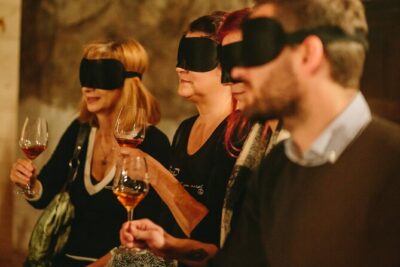
2-Hour Interactive Wine Tasting Experience in Bled
Read our review →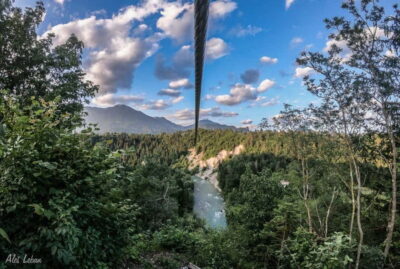
Europe’s Longest Zipline Adventure over Dolinka River
Read our review →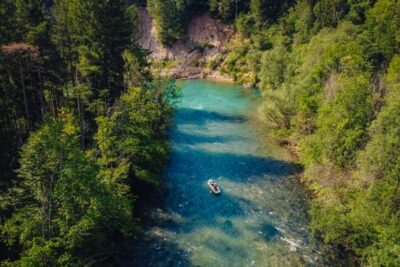
Browse the lists this tour appears in