
Reviewed · TRIESTE DAY TRIPS
Trieste: History of Prosecco and the Karst Region
This trip is interesting because it turns a day outside Trieste into two connected stories, Prosecco history and the Karst region. You start in the village tied to one of Italy’s best-known sparkling wines, then you move to a medieval hill town famous for sweeping views and standout design.
I love how the schedule gives you real context, not just a quick pour. I also love the food and tasting side, from cured ham and cheese to local extras like charcuterie and potica alongside sparkling wine.
One drawback to consider is timing. At 7 hours on paper, the day can still feel brisk, so if you want long stops for photos or slow wandering, plan to be selective with your time.
Key things that make this tour worth your time

- Prosecco village history, with a focus on the vineyards and the story behind the bubbles
- Winery tastings of renowned sparkling wine, paired with local food
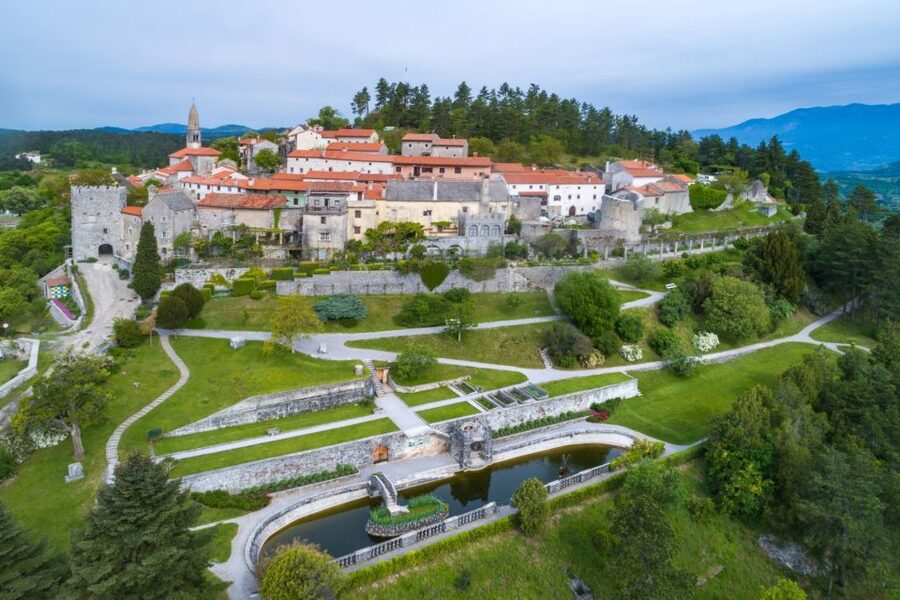
- Štanjel on a hill, where views and old village center help you understand the Karst way of life
- Ferrari Garden Park and Ferrari Villa, tied to Maks Fabiani’s work during the inter-war period
- Local Karst-region bites, including dry-cured ham and cheese, plus options like potica and olive oil from the tasting spread
- Strong guide energy, with names like Dean Tadic and Ernest popping up in glowing feedback for humor and clarity
Prosecco Village: the start of the bubbles story
The day begins with pickup from central Trieste, meeting in front of Hotel Savoia Excelsior Palace at Riva del Mandracchio 4, very close to Piazza Unità d’Italia. You then head out toward the small village of Prosecco, a place that feels calmer than you might expect, given how famous the wine is worldwide.
What you’re really buying here is perspective. Instead of treating Prosecco as a label on a bottle, you hear the local background that shaped it, including how the vineyards fit into the area’s long rhythm of production. This is the part I think most people appreciate, because it helps your tasting mean something. You start to notice what you like, and you get better at describing why you like it.
You’ll also get a sense of why this is considered a gem of the region, not just a marketing phrase. The village has that quiet, lived-in feel where history is present in the streets and in the way people talk about land and wine. It’s a slower start than typical “wine run” days.
More crossings to Trieste:
- From Trieste: Postojna Cave & Predjama Castle
★ 4.8 · 444 reviews - Lipica Stud Farm and Škocjan Caves from Trieste
★ 4.7 · 17 reviews - TRIESTE: Slovenian Coast Tour with Food and Wine Tasting
★ 5.0 · 4 reviews
Winery time: tastings that come with context and food
After the village walk and background, the tour shifts into what most people actually came for, a visit to an exceptional winery with tastings. You try sparkling wine that’s described as among the most renowned in Italy, and you get the chance to learn while you sip.
The tastings are also paired with local food, which matters more than some people expect. Wine and food together help you read the flavors. For example, cured meats and cheese tend to make acidity and bubbles feel fresher, while sweeter notes can feel more balanced once you’ve tasted something salty first.
In the tasting spread, you can expect classic local ingredients like dry-cured ham and cheese. Some versions of the tasting also include local olive oil, charcuterie-style boards, and potica, a Slovenian sweet bread. If you like food that’s simple but specific to the region, this is where the day gets fun fast.
Practical tip: pace yourself. Sparkling wine tastes easy, but you’ll still be on your feet afterward. If you’re the type who orders a glass and then keeps going, consider taking small sips and focusing on the comparisons the guide is making.
Riding from Trieste into Štanjel’s hilltop world
Next comes Štanjel, a medieval village in the Karst area that sits on a scenic hill. The change in setting is part of the value: you go from wine countryside to a village center where architecture and views do the talking.
Štanjel is loved for its ancient village core and for the way it looks across the region. You’re not just passing viewpoints from a bus window. The tour gives you time to see how the hill position changes the feel of the town, so you understand why certain structures are so important visually.
You also get cultural context that makes the place more memorable. The village name ties back to its patron saint, Daniel, which gives Štanjel a heritage story that’s easy to remember after you’re back in your room.
Maks Fabiani, Ferrari Villa, and the Ferrari Garden Park
The big wow moment in Štanjel is the connection to Maks Fabiani. During the world wars, the village was uniquely shaped by an architect and mayor at the time, Maks Fabiani, who helped preserve the essence of the village while improving and renewing public spaces.
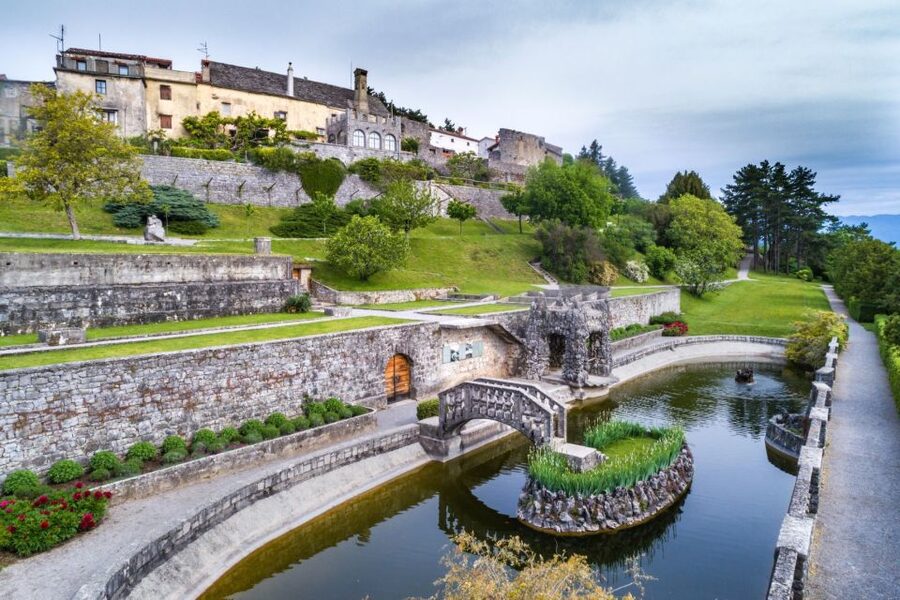
His work includes the restoration of Ferrari Villa and the design of the Ferrari Garden Park. The garden park is described as the most significant park landscaping in Slovenia from the inter-war period, which is a bold claim, but you can see what that means once you’re walking through it.
This is where the tour stops feeling like a standard “see a village, take a photo” outing. The garden gives you a human scale to the architecture and design story, and it’s a good reminder that history is not only old things, it’s also thoughtful changes made during important periods.
If you’re the kind of traveler who notices details, you’ll probably enjoy the park more than you expect. If you’re rushing and don’t like slow wandering, you may want to set expectations. The reward is in the walking, not in checking off a list.
A few more Trieste trips to compare before you book
- From Ljubljana: Piran Trip with Historic Walking Tour
★ 4.7 · 91 reviews - Historic Ljubljana Tour with Ljubljana Castle included
★ 5.0 · 11 reviews
Learning the Karst region the practical way
Between Prosecco and Štanjel, the tour frames the day as a chance to understand the Karst plateau region. You’re not dropped into a classroom, and you’re not stuck with a slideshow. The learning is tied to what you see, why the places are where they are, and how local culture shaped the built environment and the wine tradition.
One of the smartest choices in this itinerary is that it avoids turning the day into pure wine tourism. The Karst stop adds balance. It helps you remember that Trieste and its surroundings are not only about the sea and the city, but also about inland towns shaped by terrain, traditions, and local pride.
This is a good day for people who want an out-of-town taste without having to figure out transit, navigation, or timing on their own. You get transportation included, and you get a guide to steer you toward what’s worth your attention.
The guiding style: what makes it feel like more than a tour bus
A huge part of the experience is the guide. In the feedback for this tour, guides like Dean Tadic and Ernest show up with strong marks for clarity, history command, and humor.
That matters, because both Prosecco and Štanjel can be easy to experience superficially if the day is “just” walking and tasting. With a guide who connects the facts to the places, you start to notice the details. You learn customs and legends tied to the stops, and the day feels like a story told by someone who genuinely enjoys the subject.
If you care about understanding, look for those guide strengths in your own decision-making. A good guide can turn tasting notes into real memories, and it can help you avoid the awkward feeling of not knowing what you are looking at.
Price and value: is $149 per person reasonable?
At $149 per person, you’re paying for a half-day style outing that includes a live English-speaking guide, transportation, insurance, and wine and food tastings. That combination is the core value.
What makes the price feel fair is that you’re not just paying for wine. You’re paying for logistics and interpretation: the ride from Trieste, the timing between village stops, and the guide who explains the history of Prosecco and the significance of the Štanjel sites.
When you compare this to piecing the day together yourself, the included transportation alone often changes the math. Plus, the tastings and food are structured, meaning you get variety without having to know where to go and what to order.
About pacing: the duration is listed as 7 hours. In practice, the day can sometimes feel shorter than you expect, so don’t count on a long, free-form hang at each stop. If you like guided days that prioritize “see the important parts plus taste,” you’re in the right place.
What to do with your expectations before you go
This is a day of two strong themes: sparkling wine culture and Štanjel design and views. It’s not a slow food festival. It’s also not only a wine tasting event with no context. The best way to enjoy it is to treat it like a guided walking day with tastings along the way.
Here are the expectations that help:
- You’ll likely spend more energy listening than just snapping photos.
- The tasting is part of the history lesson, not a standalone perk.
- The garden and village in Štanjel reward attention, especially if you like architecture and design details.
If you want a relaxed day with lots of downtime, you might find the pacing a little focused. If you want structure plus flavor, it’s the right fit.
Who this tour fits best
This tour makes the most sense for you if:
- You love wine, but you also want to understand the story behind it.
- You enjoy small hill towns with viewpoints and old centers.
- You like when food tastings include local specifics, not generic snacks.
- You want an easy day trip from Trieste without planning transport or timing.
It also fits well if you’re curious about how the region connects inland to Trieste. You’ll leave with a different picture than the one you’d get from a day spent only in the city.
One note: if you are sensitive to alcohol, the tastings could still be a lot. The day includes multiple taste moments, so decide in advance how you want to handle that. Small sips and water between tastings is your friend.
Should you book this Prosecco and Karst day?
Yes, if you want a day that balances wine history, meaningful tasting, and real stops in Štanjel. The standout factor is the combination of a strong guide, sparkling wine tastings with local food, and a design-focused highlight at Ferrari Garden Park and Ferrari Villa tied to Maks Fabiani.
Book it if you enjoy guided context and you don’t need hours of free time to enjoy a place. Skip it if you want a slow, unstructured day or you’re looking for a very long stay in one village only.
If you like having the right mix of structure and flavor, this is a smart way to spend your day near Trieste.
FAQ
Where is the pickup point in Trieste?
Pickup is included at a centralized meeting point in Trieste, in front of Hotel Savoia Excelsior Palace, Riva del Mandracchio 4, near Piazza Unità d’Italia. Cruise passengers are picked up at the cruise terminal in Trieste where the ship docks.
What language is the guide?
The live tour guide is in English.
How long is the tour?
The duration is 7 hours.
What is included in the price?
The tour includes a guide, transportation, insurance, and wine and food tastings.
What will I see besides Prosecco?
You’ll also visit the medieval village of Štanjel and walk through the Ferrari Garden Park.
Will there be wine and food tastings?
Yes. You’ll have tastings at an exceptional winery and also have the chance to try local delicacies of the Karst region, including dry-cured ham and cheese (and tasting selections can also include local wine and other local items like potica).
Do I have to pay right away to reserve?
No. You can reserve now and pay later, and you pay nothing today.
Is there free cancellation?
Yes. You can cancel up to 24 hours in advance for a full refund.
Is transportation included during the day?
Yes. Transportation is included, and you are picked up from your accommodation area meeting point in Trieste or the cruise terminal.
How do I know the tour start time?
The tour is listed with 7 hours duration, and you can check availability to see starting times.
Recently added around Trieste
- Trieste: Bled & Radovljica Full-Day Trip★ 5.0 · 3 reviews
- Short daily trip to Ljubljana from Trieste★ 4.3 · 3 reviews
- TRIESTE: Slovenian Coast Tour with Food and Wine Tasting★ 5.0 · 4 reviews
- Lipica Stud Farm and Škocjan Caves from Trieste★ 4.7 · 17 reviews
- From Trieste: Postojna Cave & Predjama Castle★ 4.8 · 444 reviews
Trieste Day Trips, compared.
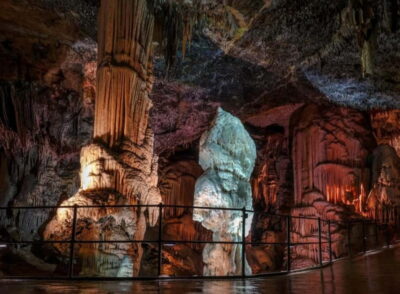
Koper/Trieste: Postojna Cave & Predjama Castle Tour & Ticket
Read our review →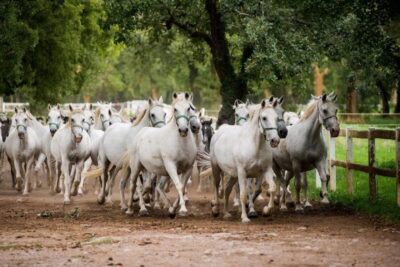
Lipica Stud Farm and Škocjan Caves from Trieste
Read our review →
Browse the lists this tour appears in