

Reviewed · LJUBLJANA TOURS
Coffee Sensory Training in Ljubljana
Coffee tasting is fun. This course turns it into a skill. In Ljubljana, you spend about seven hours learning how to evaluate coffee by taste and aroma, then you take a theory and practical test linked to the CSP Sensory Skills Foundation certificate.
What I like most is the focus on calibration and repeatable senses, not just random flavor opinions. I also like that the session leads to an internationally recognized Specialty Coffee Certificate (CSP Sensory Skills Foundation), so it is not just a casual workshop.
One thing to consider: you may end up tasting a lot of coffee, and one participant reported feeling dizzy toward the end. If you are sensitive, pace yourself and follow the tasting guidance, like spitting when recommended.
Key things you will notice right away
- Tone-setting training, with exercises that calibrate basic tastes so you can describe what you actually taste
- Aroma practice, using smell as a structured part of coffee evaluation, not a guess
- Practical and theory exam, built into the experience so you finish with something concrete
- Friendly, high-energy instruction, with Lev highlighted as an expert who answers questions with real passion
- Coffee volume pacing matters, because the tasting portions can add up over a long session
Where the session starts in Ljubljana, and how to plan your morning
The experience starts at Dunajska c. 61, Ljubljana, with a start time of 10:00 am. It runs close to a full half day, about 7 hours, so treat it like a real activity day, not a quick stop between errands.
This is a private tour, meaning it is set up for just your group. That matters more than you might think. Sensory training works best when you can slow down, repeat an exercise, and ask questions without a crowd rushing the pace.
You also get a mobile ticket, which keeps things simple. And since the meeting point is near public transportation, you will not need a car to make this work. If you rely on trams or buses, arriving a little early is smart so you can get settled before the first cup.
Quick practical tip: wear comfortable clothes and keep your schedule light around the session. Coffee tasting, even at a controlled training pace, asks a bit of your focus for hours.
A few more Ljubljana trips to compare before you book
- 2-Hour Specialty Coffee tasting in Ljubljana
★ 5.0 · 12 reviews - Coffee Tasting Experience
★ 5.0 · 4 reviews - Introduction to the Specialty Coffee world in Ljubljana
★ 5.0 · 3 reviews
The CSP Sensory Skills Foundation certificate, and what it means for your coffee life
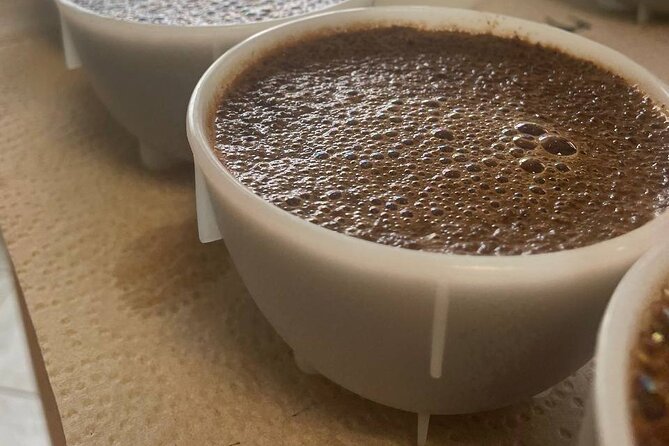
The headline is the internationally recognized Specialty Coffee Certificate: CSP Sensory Skills Foundation. You are not just learning terms like citrus or chocolate and hoping they stick. You train your senses to notice and separate specific taste and aroma components, then you prove it with a theoretical and practical exam.
Why that matters: most coffee drinkers can tell you what they like. This course helps you describe why you like it and how to compare coffees more accurately. That is the difference between casual enjoyment and real progression.
The course also aims to teach you which aromas can show up in coffee and how to identify subtle nuances in both taste and aroma profile. In plain terms, it helps you stop guessing and start making repeatable evaluations.
If you plan to buy coffee, brew at home, or work in coffee in any capacity, this certificate path is a strong way to formalize what you learn. If you are just a curious coffee fan, it is still satisfying, because you leave with a new set of mental tools for each cup.
Your first sensory workout: calibrating basic tastes
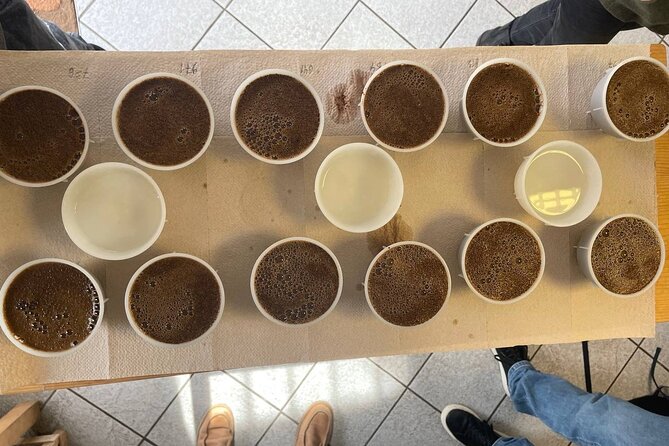
The training begins with the foundations, and that is exactly what I would want if I were paying for a tasting class. You learn how to sense and evaluate coffee, and you also practice calibrating your perception of basic tastes.
That may sound basic, but it is not filler. Calibration is what stops your brain from mixing signals. When you can separate sweetness, acidity, bitterness, and other core taste components, it becomes easier to interpret what you smell and how it connects to what you taste.
You train to distinguish subtle nuances, which is a fancy way of saying you learn how to notice the small changes that make one coffee taste clean and another taste muddier. That skill transfers fast. Once your tongue and brain understand the basics, every coffee tasting session becomes more precise.
A bonus here is confidence. Even if you think you have a weak palate, structured exercises give you a way to improve without relying on luck. You learn to trust what you detect, then you learn how to describe it in a way that makes sense.
Aroma training that turns smell into a real skill
Coffee aroma is half the experience, but most people treat it like a vague bonus. This course treats aroma like a measurable part of evaluation.
You learn about aromas that can be found in coffee, then you practice identifying them. The goal is to help you recognize how aroma leads the way before you even sip. During training, you are essentially building a map in your head of what common coffee notes smell like and how they relate to taste.
In reviews, people consistently highlight the depth of aroma and flavor learning, and that fits what this kind of course is designed to do. You are not just sniffing. You are matching, comparing, and calibrating your detection.
If you have ever had the experience where someone else says it smells like one thing, and you smell something else entirely, you will appreciate this format. It gives you a systematic way to compare your impressions to the intended coffee profile, so you can align faster.
Same base, an entirely different sort of day:
- Ljubljana: Postojna Cave & Predjama Castle Tickets and Tour
★ 4.9 · 2,146 reviews - From Ljubljana: Trip to Lake Bled and Bled Castle
★ 4.7 · 1,426 reviews - Postojna Cave and Predjama Castle – Entrance Tickets Included
★ 5.0 · 938 reviews - Slovenia in One Day: Lake Bled, Postojna Cave and Predjama Castle
★ 5.0 · 879 reviews
The tasting sessions, spitting guidance, and why pacing matters
A sensory training course is hands-on by nature. Expect lots of tasting. One participant even noted a lot of slurping, which is typical in coffee sensory work because it helps distribute coffee across your tongue so you can evaluate more evenly.
You also get bottled water and snacks included, which helps you manage the long session. Water is key for resetting between tastings, and snacks help keep your energy steady so your senses do not shut down halfway through.
That said, pacing matters. One review mentioned feeling dizzy toward the end, even though they were recommended to spit it out. So here is my practical advice: follow the tasting instructions closely, and do not try to force it through. If you start feeling off, slow down, take short pauses, and let your senses reboot.
This is also a good place to ask questions. People praised the instructor, Lev, for being generous with explanations. If something feels confusing, ask. In sensory training, one good clarification can change how you experience every cup afterward.
The exam: theory plus practical work, and how to show what you learned
At some point in the day, you switch from learning to assessment. The experience includes a theoretical and practical exam. That is a useful design, because it checks both sides of sensory skill.
Theory helps you understand what you are doing, why certain aromas and tastes matter, and how coffee profiles are described. Practical work helps you demonstrate that you can detect and evaluate with some consistency.
How should you prepare? You do not need to cram. What helps is staying present. Sensory work is attention-heavy. If you arrive tired, hungry, or distracted, you will feel it quickly. If you show up rested and ready to focus, you will get far more out of the training.
I also recommend coming with a calm attitude. People who treat this like a casual sip-and-smile class can feel frustrated, because the course asks you to slow down and pay attention. But if you are open to learning and taking notes, the exam becomes a satisfying finish line.
Coffee and tea, plus snacks, but no lunch: how to avoid a bad day
The experience includes coffee and/or tea, bottled water, and snacks. It does not include lunch, and alcoholic beverages are not included.
For a seven-hour session, this detail matters. If you start the day underfed, tasting can feel unpleasant and your senses can get dull. If you arrive already full, tasting still takes effort, but at least you are not fighting hunger.
So my suggestion is simple: eat a proper breakfast before you go, even if you plan to snack later. The course gives you snacks, but those are there to support the training rhythm, not replace a full meal.
Also, since alcohol is not part of the experience, you can keep your day clear-headed. That helps your evaluation accuracy too. Coffee sensory work is not the time to experiment with taste influencers.
Who this training fits best in your travel plans
This is designed for people who want more than a coffee tour. It is for you if you are one of these:
- You love coffee and want to understand what you taste, not just what you like
- You want a structured path to improve sensory skills
- You are curious and like hands-on training with an exam finish
- You are considering a deeper coffee interest, like working in the field someday
It is also a good option for a couple or small group, because the private setup helps you share the experience and compare impressions in a natural way.
Age-wise, there is no age limit for drinking coffee, but the workshops accept people over 18 for coffee-related training. If you are planning with others, keep that in mind.
If you are expecting a sightseeing day or a long walking tour, this is not that. This is a sensory skill session. It rewards focus, not just wandering.
Price in plain terms: is $355.04 worth it?
At $355.04 per person for about 7 hours, you might ask if this is overpriced. Here is how I think about value for this type of training.
You are paying for:
- Structured sensory training focused on evaluation skills
- Practical and theoretical exam
- The CSP Sensory Skills Foundation certificate pathway
- A private group experience with an instructor, plus coffee and/or tea, water, and snacks
For casual coffee drinking, a tasting tour might feel cheaper. But it usually teaches you a flavor story. This course teaches a skill. That skill can make every future cup more meaningful, and the certificate gives it credibility if you ever want to take coffee seriously.
You are also buying time and guidance. Learning sensory evaluation on your own is possible, but it takes longer, and it is easy to build confusion. In this workshop, someone can help calibrate your senses so you progress faster.
My honest take: if coffee is a real passion for you, the price makes more sense. If you are simply curious, you might prefer a shorter tasting experience first. But if you want structured training that ends with an exam, it is good value for what it tries to deliver.
Small tips that make the biggest difference in a sensory course
A few practical moves can help you get better results, not just better photos.
- Follow the tasting guidance closely, including spitting when recommended. One review noted being advised to spit, and it is there for a reason.
- Take sips slowly and stay aware of what you smell first. Aroma training is part of the process.
- If you are unsure about what to look for, ask. Lev was specifically praised for being an expert who answers questions.
- Use the water to reset between tastings. Coffee evaluation gets harder when your palate is tired.
- Eat before you go. Lunch is not included, and you want your senses steady for the whole session.
Should you book this coffee sensory training in Ljubljana?
If you want a deeper coffee experience and you like structured learning, I think you will enjoy this. The strongest selling points are the taste and aroma calibration, the practical style of training, and finishing with the CSP Sensory Skills Foundation certificate through a theory plus practical exam.
Skip it only if you are mainly looking for a casual, low-effort coffee taste without assessment. Also, if you know you get sensitive to repeated coffee tastings, go in with a plan. Follow spitting guidance, pace yourself, and do not ignore early signs of fatigue.
Overall, this is the kind of workshop that makes you better at tasting fast. And once you learn how to evaluate coffee more clearly, you start noticing details everywhere, not only in the cup served that day.
FAQ
How long is the coffee sensory training?
The experience lasts about 7 hours.
Is the tour private, and in which language is it offered?
Yes. It is a private tour/activity, and it is offered in English.
Where does it start, and when?
It starts at Dunajska c. 61, 1000 Ljubljana, Slovenia, with a start time of 10:00 am. It ends back at the meeting point.
What is included in the price?
Coffee and/or tea, bottled water, and snacks are included.
Is lunch included?
No. Lunch is not included.
Is there an age limit?
There is no age limit for drinking coffee, but the coffee-related workshops accept people over 18.
Recently added around Ljubljana
- Lake Bled & Lake Bohinj & Vintgar Gorge Tour from Ljubljana★ 5.0 · 4 reviews
- Logar Valley Tour and Solcava Panoramic Road from Ljubljana★ 5.0 · 4 reviews
- From Ljubljana: Piran Trip with Historic Walking Tour★ 4.7 · 91 reviews
- Ljubljana-Airport Ljubljana. Private transfer. Or vice versa.★ 4.5 · 3 reviews
- Postojna Cave Day Trip From Ljubljana★ 3.5 · 3 reviews
- The Deadly Walk – Ljubljana Cemetery Tour★ 5.0 · 3 reviews
- Full-day tour of Postojna Cave and Bled Lake From Ljubljana★ 5.0 · 3 reviews
- Private Fun Park activity in Ljubljana★ 4.5 · 3 reviews
Ljubljana Tours, compared.
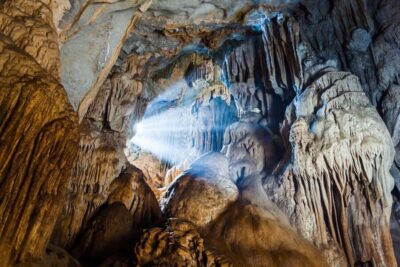
Postojna Cave & Predjama Castle Tickets and Tour
Read our review →
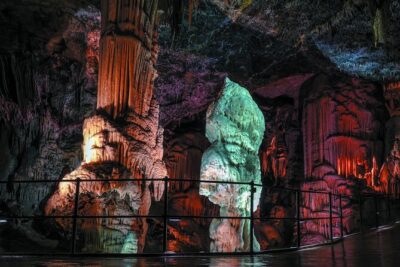
Postojna Cave and Predjama Castle – Entrance Tickets Included
Read our review →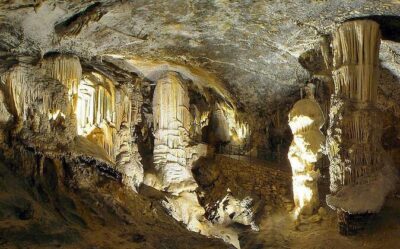
Slovenia in One Day: Lake Bled, Postojna Cave and Predjama Castle
Read our review →
Lake Bled and Bohinj Tour with Savica Waterfall
Read our review →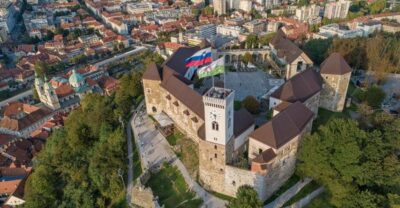
Castle Entry Ticket with Optional Funicular Ride
Read our review →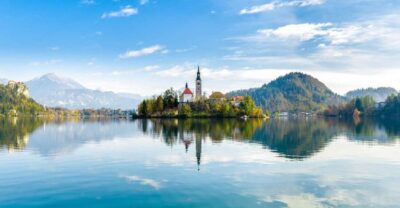
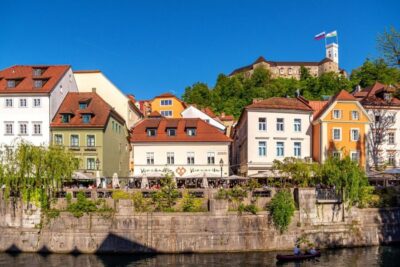
Guided Walk & Funicular Ride to Ljubljana Castle
Read our review →Browse the lists this tour appears in